
Swimming with Manta Rays: A Once-in-a-Lifetime Snorkel
By Gadink · 9 October 2026
Giant, gentle and graceful. How to see manta rays in Bali and what it really feels like.
Swimming with Manta Rays: A Once-in-a-Lifetime Snorkel
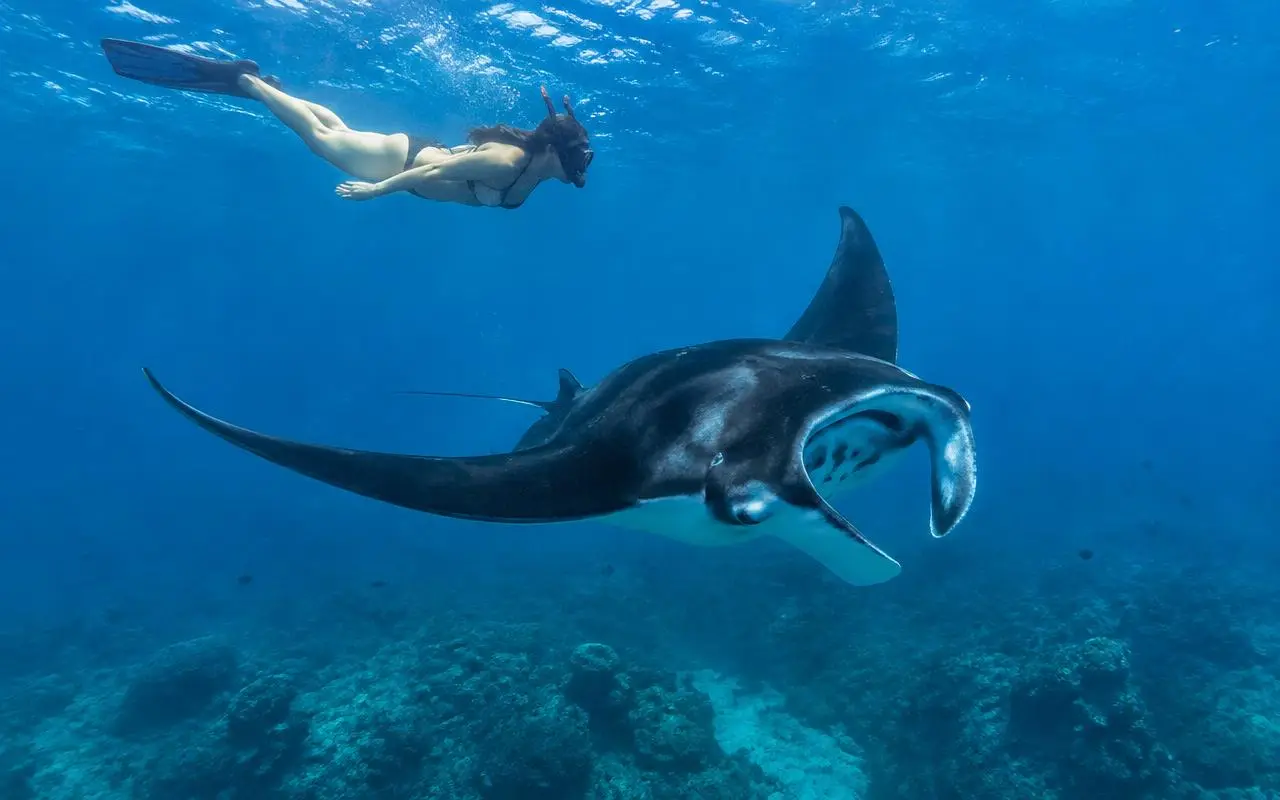
A dark shape appears beneath the surface. Then the outline becomes clear: broad wings, a graceful turn and a manta ray gliding through the blue. Floating above an animal with a wingspan that can reach four metres or more is the kind of Bali memory that stays with you long after the holiday ends.
The waters around Nusa Penida offer opportunities to see reef manta rays in their natural habitat. But this is a wildlife experience in open water, not a guaranteed encounter or a gentle swimming-pool excursion. A little planning makes all the difference. Here is how to approach your manta snorkelling adventure with excitement, realistic expectations and respect for the ocean.
Where to see manta rays near Bali
Nusa Penida lies off Bali’s south-eastern coast, across the Badung Strait. Its dramatic cliffs and surrounding waters make it a popular destination for boat trips, diving and snorkelling. If you are getting your bearings, our Nusa Penida day trip guide explains the wider island experience.
Manta Point, on Nusa Penida’s exposed southern coastline, is particularly associated with reef manta rays. It includes cleaning stations where small fish remove parasites and dead tissue from visiting mantas. These are important natural gathering places, rather than feeding attractions created for visitors.
Mantas can be encountered around Nusa Penida throughout the year, but that does not mean they appear on every trip. Their movements, sea conditions and visibility all influence what you might see. No responsible operator should promise a sighting.
You may also see excursions advertised for Manta Bay. Despite the similar names, Manta Bay and Manta Point are different locations. Ask which site the itinerary actually includes, whether access depends on conditions and what happens if the boat cannot safely reach it.
The best mindset is simple: you are visiting wild animals on their terms. A manta encounter is the hoped-for highlight, not something anyone can book into a timetable.
What your snorkelling day could look like
From mainland Bali, the day usually starts with a hotel transfer to the departure harbour. Many travellers use fast boats from Sanur to Nusa Penida, although arrangements vary. Some excursions operate differently, so check whether your booking involves a passenger ferry followed by a local snorkelling boat, or another setup.
Allow time for check-in, boarding and possible delays. Sea crossings can be bumpy, and departure or arrival procedures may involve steps and uneven surfaces. Tell the organiser beforehand if you have mobility concerns or need help with luggage.
Once on the island, you may transfer to a smaller boat, collect equipment and receive a briefing. Confirm whether a guide enters the water with the group, what flotation equipment is available and how the group is supervised. These details matter more than an ambitious list of stops.
There is usually time between snorkelling sessions to rest, drink water and warm up. Lunch may be included or arranged separately; check rather than assume.
If you want to combine underwater time with exploring ashore, discuss transport around Nusa Penida before booking. A full snorkelling session plus several distant viewpoints can become a rushed day, particularly when you must catch a return boat.
Manta Point and the other snorkelling stops
Multi-stop trips may combine a manta site with places such as Crystal Bay, Gamat Bay or stretches of reef along Nusa Penida’s northern coastline. Names and combinations vary between operators, and the final route should depend on conditions rather than the advertised order.
Manta Point is about the possibility of seeing mantas, but it can also involve swell, surge and cooler water. Visibility is variable. Sometimes the encounter is a fleeting silhouette; sometimes a ray passes clearly beneath you. Both are genuine wildlife experiences.
Crystal Bay is known for its attractive setting and marine life, although its name does not guarantee clear or calm water. Gamat Bay and sites described as “the Wall” can also experience strong currents. A location being popular with snorkelling boats does not automatically make every part of it suitable for beginners.
Expect reef fish and, at appropriate sites, colourful coral. Turtles are possible, but they are another bonus rather than a promised feature.
Travellers staying on Nusa Lembongan may also find excursions to nearby snorkelling areas, including manta sites when conditions permit. Compare the actual route and safety arrangements, not just the departure island.
If an offshore manta trip does not suit your group, our Blue Lagoon snorkelling guide offers another option to discuss, with suitability still depending on local conditions.
Be honest about swimming ability and sea conditions
You do not need to be an expert freediver to appreciate a manta ray. You do, however, need an experience suited to your swimming ability, confidence and health. Open-water snorkelling can feel very different from swimming at a sheltered beach.
Around Nusa Penida, currents can be powerful and conditions can change quickly. The exposed southern coast may have substantial swell even when the weather looks sunny. Follow the crew’s decisions about where to enter, where to stay and when to leave the water.
If you are a weak swimmer, nervous in deep water or travelling with children, say so before booking. Ask about age restrictions, supervision, properly fitted lifejackets and whether the proposed sites are suitable. Flotation helps, but it does not remove the risks of unsuitable sea conditions.
Stay close to your guide or buddy and never swim after an animal into deeper water or away from the group. If you feel tired, cold or anxious, signal early and return to the boat with assistance.
Check that your travel insurance covers the activities you plan to do. For broader preparation, our first-time Bali travel tips are a useful starting point.
Most importantly, accept a changed route or cancellation when safety requires it. Missing a manta stop is disappointing; pushing ahead in unsafe conditions is not worth it.
How to respect the mantas and their habitat
The most memorable encounters often happen when people do less. Float calmly, keep movements gentle and let the manta choose its route. There is no need to chase a ray to appreciate its size and grace.
Never touch, grab, ride or attempt to feed a manta. Avoid blocking its path or surrounding it with other snorkellers. Follow the guide’s instructions on distance, and leave enough space for the animal to move freely. If it approaches, stay calm rather than reaching towards it.
At cleaning stations, avoid diving down over the reef or positioning yourself where you could interrupt natural behaviour. Watching a manta circle back for another cleaning visit is extraordinary precisely because it is behaving normally.
Keep fins away from coral, and do not stand on the reef. Secure loose belongings so they cannot fall into the sea, and bring any rubbish back to shore.
An action camera can capture lovely memories, but it should not dictate your behaviour. Do not extend a camera pole into the animal’s path or follow it for a closer shot. Sometimes the best decision is to stop filming and simply watch.
Choose an operator that explains wildlife etiquette and enforces it. A good encounter should be positive for visitors without becoming a disturbance for the animals they came to see.
What to bring for a comfortable boat trip
Pack light, but prepare for sun, spray and a potentially chilly spell in the water. Bring swimwear, a towel, a change of clothes and a dry bag for your phone and other essentials. Keep important documents and electronics protected throughout the crossing.
A rash vest provides useful sun protection. If you get cold easily, ask whether wetsuits are available and whether hiring one makes sense for the planned sites. Water temperature can vary, and feeling cold quickly takes the fun out of snorkelling.
Check what equipment is included. A mask should seal comfortably without being painfully tight, and fins should fit securely. Tell the crew immediately if something leaks, slips or feels wrong. If you normally wear glasses, ask about prescription-mask options or bring your own suitable mask.
Bring drinking water and check meal arrangements. A small snack can be useful, particularly with an early start. Avoid leaving litter or unsecured packaging on the boat.
If you are prone to motion sickness, speak to a pharmacist or doctor before travelling about suitable precautions, including when to take any medicine. Do not wait until the boat is already pitching.
Apply sunscreen according to its instructions and use clothing and shade where possible. No product label is a reason to touch coral or enter the water carelessly.
Plan your Bali transfers without rushing
A smooth manta day starts well before you put on a mask. Your hotel location, harbour check-in time and Bali’s traffic all affect the schedule. Arrange the mainland transfer around the confirmed boat departure, with a sensible buffer.
If you are staying locally, a private driver in Sanur can be part of a straightforward harbour-transfer plan. From elsewhere, allow more flexibility. Travellers arranging a pickup from Ubud should not assume the journey will take the same time as a transfer from the coast.
Likewise, a private driver from Seminyak needs to work around the departure time and likely road conditions. Share your exact accommodation address rather than just the neighbourhood name.
Avoid putting an international flight, a separate boat connection or an important evening commitment immediately after your planned return. Marine services can be delayed or cancelled, and a tight schedule adds unnecessary pressure.
An overnight stay on Nusa Penida may give you more breathing room, although it still cannot guarantee manta sightings or ideal weather. If snorkelling is one part of a longer holiday, explore the Bali highlight tour for ideas, then discuss how an island visit could fit sensibly around your other plans.
Message Gadink to plan your manta adventure
A manta snorkelling trip brings together several moving parts: hotel pickup, harbour timing, sea crossings, local transfers and the snorkelling excursion itself. Getting those details clear beforehand leaves you free to enjoy the day.
At Exciting Bali Tour, Gadink is your friendly local contact for planning private driving and tours in Bali. You can get to know Gadink before discussing the arrangements for your island adventure.
Message Gadink on WhatsApp with your travel date, accommodation, group size and swimming experience. Mention any children, mobility needs, seasickness concerns or preference for an overnight stay. These details help shape a more suitable plan.
Ask him to confirm which transfers and boat services can be arranged, the intended snorkelling sites, equipment, inclusions, costs and the arrangements if weather changes the trip. Make sure you understand which services are provided by the boat or snorkelling operator.
Then leave room for the unexpected. You might meet a manta gliding beneath you, discover a reef full of fish or find that the sea calls for a different plan. With thoughtful preparation and respect for wildlife, the adventure starts long before that first glimpse of wings in the blue.