
Our 12-Day Bali Highlight Tour: Everything in One Trip
By Gadink · 30 October 2026
Culture, volcanoes, islands, adventure and beaches — the ultimate Bali holiday, planned day by day with Gadink.
Our 12-Day Bali Highlight Tour: Everything in One Trip
Bali has a wonderful way of making your wish list grow. One minute you are dreaming about rice terraces and temple courtyards; the next, you are picturing a volcano sunrise, jungle adventures and a boat trip across brilliant blue water. How do you fit it together without spending your holiday organising transport?
This 12-day journey brings Bali’s different sides into one exciting itinerary, with room to adjust the pace. Think cultural discoveries around Ubud, outdoor adventures, volcanic landscapes, island time and a spectacular southern sunset.
Use this as inspiration alongside our Bali Highlight Tour, rather than a promise that every activity is included or operates daily. Boats, guides, attraction tickets and specialist activities need separate confirmation.
With Gadink, the friendly local driver behind Exciting Bali Tour, you can discuss a route that suits your interests, accommodation and energy levels. The aim is not to tick every box at speed. It is to enjoy a brilliant variety of Bali without turning each day into a race.
Days 1–2: Discover Ubud, Balinese Culture and Family Favourites
Begin around Ubud, where art, daily religious life and lush countryside sit close together. A Barong performance introduces one of Bali’s best-known cultural traditions, with elaborate costumes, expressive movement and a story commonly associated with the balance between opposing forces. Our guide to Barong dance and Balinese culture gives useful background before you watch.
Afterwards, choose a craft stop that genuinely interests you, perhaps woodcarving, silverwork or painting. There is no need to visit every workshop. One thoughtful stop, with time to ask questions, often feels more rewarding than a string of rushed visits.
Across these first two days, you could also explore rice terraces, visit the Sacred Monkey Forest Sanctuary and see a holy-water temple such as Tirta Empul. Keep food tucked away around monkeys, secure loose belongings and never tease or touch them.
Temple visits call for respectful clothing and behaviour. Follow local guidance on sarongs, restricted areas and photography. Purification rituals are religious practices, not simply photo opportunities; ask about the appropriate procedure if you wish to participate.
For families, a scheduled orangutan breakfast experience at Bali Zoo could replace part of the cultural programme. This is a managed zoo experience, not a wild encounter, and its format, availability and booking conditions should be checked directly. Do not assume animal touching or feeding is permitted.
Planning these days with a private driver around Ubud helps you group stops sensibly. Choose a few priorities each day and leave room for lunch, traffic and spontaneous discoveries.
Days 3–4: Jungle Adventures, Cycling and Time to Breathe
Now for the muddy, splashy part! ATV quad biking and Ayung River rafting offer two very different ways to experience Bali’s greener side. Quad-bike routes may include rough tracks, muddy sections and water crossings, depending on the operator and conditions. Wear clothes you do not mind getting dirty and follow the safety briefing carefully.
Before booking, check minimum ages, passenger arrangements, insurance and any health restrictions. Our Bali ATV quad-biking guide is a useful starting point for understanding what to ask.
Ayung River rafting combines paddling with jungle scenery, but it is not an activity to judge only by photographs. Access commonly involves substantial steps, and river conditions vary. Choose a reputable operator providing suitable equipment and clear instructions.
Fit travellers might combine rafting and quad biking on day three, but that makes a busy day. Families or anyone wanting a gentler pace can choose one and enjoy an unhurried afternoon instead.
Day four could bring a guided cycling excursion beginning in the Kintamani region and continuing through countryside and villages. “Downhill” does not mean completely effortless: routes can include uneven surfaces, traffic and some pedalling. Check the distance and support arrangements before committing. Our Kintamani downhill-cycling guide explains the experience in more detail.
A zipline around Tegallalang is another possible adventure, subject to the venue’s current operation, weather and participant restrictions. Treat it as an alternative or carefully timed extra, not something you must squeeze in. With an early volcano start approaching, finishing day four with enough time to rest is a very good idea.
Day 5: Mount Batur Sunrise and a Well-Earned Soak
A Mount Batur sunrise trek can be one of the trip’s biggest highlights: walking beneath a dark sky, reaching the volcanic slopes and watching daylight spread across the landscape. Clear views are never guaranteed, but the experience can still feel special when clouds drift through.
It also requires preparation. Depending on where you stay, your departure may be around midnight or in the early hours. An overnight stay nearer Kintamani can reduce driving, although you will still need an early start.
The trail has steep sections and loose volcanic material. Wear grippy footwear, bring a warm layer and arrange an appropriate local trekking guide. Discuss fitness, medical concerns and current access conditions before booking. Our Mount Batur sunrise-trek guide helps you decide whether it belongs in your itinerary.
Afterwards, hot springs near Lake Batur offer an appealing optional stop. Confirm opening arrangements and what your chosen venue provides, and bring swimwear and a change of clothes.
Keep the afternoon deliberately light. If Lovina is next, you could continue towards the north coast and stay overnight there. That transfer still takes time, so avoid adding a long sightseeing list after a physically demanding morning.
Day 6: Lovina and a More Considered Dolphin Experience
Staying in Lovina makes a northern coastal morning much more practical than attempting a very long pre-dawn drive from southern Bali. It also gives you a chance to enjoy a different atmosphere, with dark-sand beaches, fishing boats and a slower rhythm.
Dolphin-watching trips are popular here, but they deserve careful consideration. These are wild animals, and sightings cannot be guaranteed. Ask how the boat operator behaves around dolphins: responsible encounters should avoid chasing, crowding, cutting across their path or pressuring people to enter the water.
If you are uncomfortable with the arrangements, skip the boat trip. A coastal morning and relaxed breakfast can be a worthwhile experience in their own right. Wildlife welfare matters more than securing a particular photograph.
For families, check life-jacket availability, boarding arrangements and sea conditions before deciding whether the excursion is suitable.
Later, begin moving towards your next base. Lovina to eastern or southern Bali is a substantial road journey, not a quick transfer between nearby attractions. Your overnight location should reflect the following day’s plans. This is a good point to simplify the schedule, enjoy a proper lunch stop and appreciate the changing scenery rather than trying to add several more activities.
Day 7: Blue Lagoon Snorkelling and East-Coast Colour
Around Padang Bai, the sea becomes the main attraction. Blue Lagoon is a popular snorkelling area where conditions permitting, you can explore reef scenery and look for colourful fish. Nearby sites may also feature in locally organised trips.
Visibility, waves and currents vary, so no snorkelling location should be treated as automatically calm or suitable for every swimmer. Tell the operator honestly about your confidence in the water, ask about flotation aids and follow the guide’s instructions.
Avoid standing on coral, touching marine life or feeding fish. Sun protection, drinking water and a dry change of clothes make the return journey more comfortable.
A private driver for Padang Bai can help with the road portion of the day, while the snorkelling itself requires suitable local arrangements. Confirm those separately rather than assuming they come with transport.
Keep the afternoon flexible. You may want a leisurely lunch and a beach-side pause, or you may need to relocate for the next morning’s boat departure. Check your actual departure port before choosing accommodation: Bali’s island services do not all leave from the same place.
Days 8–9: Nusa Penida’s Cliffs and Underwater Possibilities
Giving Nusa Penida two days creates more breathing space than trying to fit its roads, viewpoints and snorkelling into one rushed outing. Even so, island travel needs realistic expectations. Fast-boat crossings depend on weather and sea conditions, and road journeys on Penida can be slow.
Check the sailing schedule, luggage arrangements and onward transport before travelling. Driving on mainland Bali and transport on Nusa Penida are separate logistical pieces; confirm who is meeting you and where.
Choose a manageable sightseeing route. Kelingking’s dramatic cliffs are famous for good reason, but visiting the viewpoint does not mean you should descend to the beach. The path is demanding, and the sea below can be dangerous. Stay behind barriers and avoid exposed edges.
An overnight stay allows another outing without immediately rushing back to the harbour. You might choose more coastal scenery or a guided snorkelling excursion, depending on conditions and your interests. Our Nusa Penida trip guide can help you compare the options.
Manta rays are a possibility on suitable excursions, never a guarantee. Sites can have swell and currents, and operators may change routes for safety. Keep your distance from wildlife and never chase or touch a ray.
Build flexibility around the return crossing. Avoid making an island boat connection the only thing standing between you and an international flight later that day.
Days 10–12: Water Sports, GWK and an Uluwatu Sunset
Back on mainland Bali, the southern peninsula provides a lively final chapter. Day ten could focus on Tanjung Benoa, known for organised water sports. Choose activities according to your comfort level rather than feeling you should try everything.
Check age and weight restrictions, safety procedures, weather suitability and insurance terms with the operator. Some activities are unsuitable for particular medical conditions, and availability can change. You can also opt out entirely and enjoy a quieter coastal day.
Staying nearby can make these final days easier. Discussing your plans with a private driver around Nusa Dua helps you understand the road connections without assuming that neighbouring places are always quick to reach.
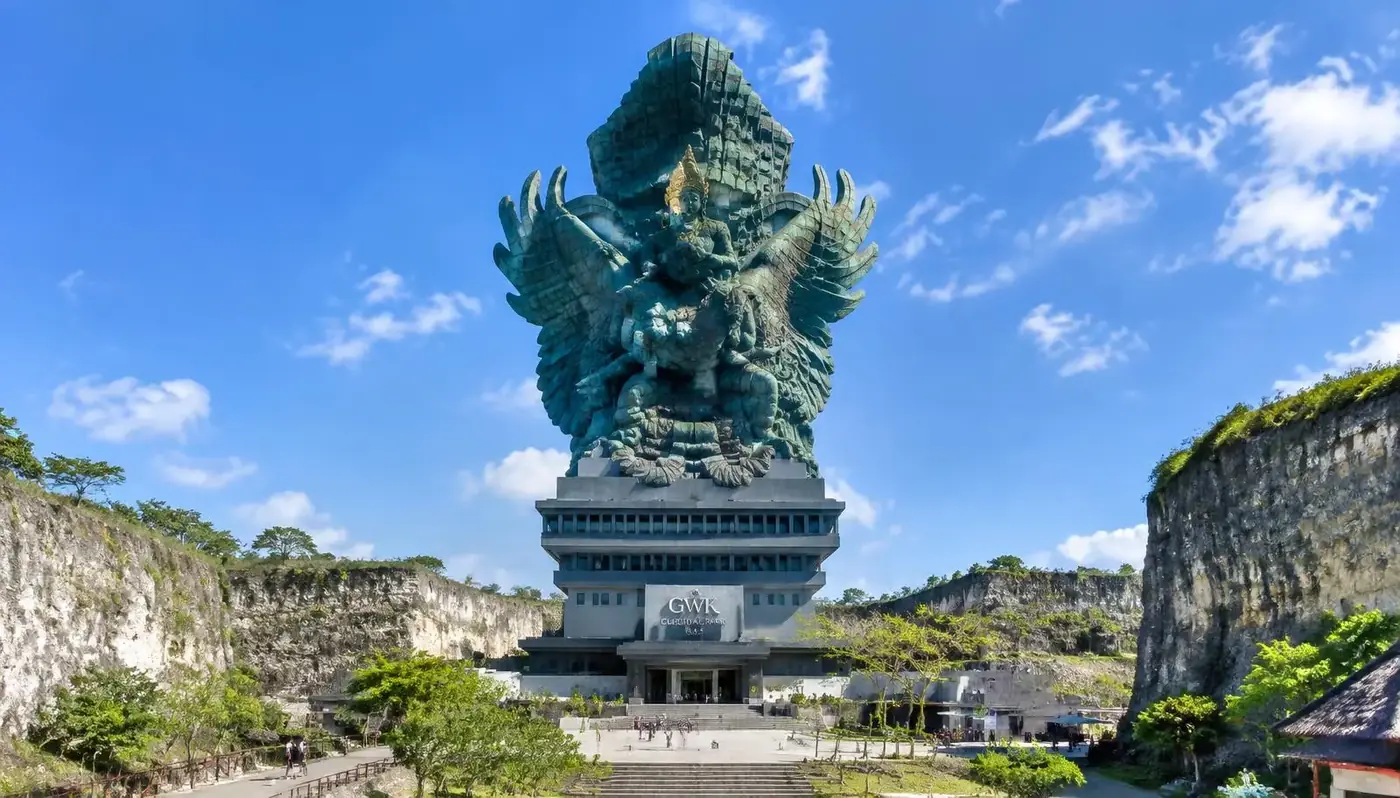
For day eleven, consider Garuda Wisnu Kencana Cultural Park, widely known as GWK. Its monumental statue is the centrepiece, while any performances or additional experiences should be checked against the current programme. Allow for walking, sunshine and breaks rather than treating the park as a five-minute photo stop.
Keep part of this day open for the beach, shopping or simply enjoying your accommodation. After a packed adventure, doing less can feel like a highlight too.
Day twelve brings Uluwatu Temple and, if tickets and scheduling allow, a Kecak performance around sunset. The cliff-top setting is magnificent, but respect temple rules, watch your belongings around monkeys and leave generous time for traffic. Our Uluwatu sunset and Kecak guide explains how to approach the evening.
If day twelve is also departure day, move this outing earlier. An airport transfer should not depend on a performance finishing exactly on time or traffic cooperating.
Your Trip, Your Way: Message Gadink on WhatsApp
This itinerary is a starting point, not a test of how much sightseeing you can manage. You can replace the volcano trek with a scenic morning, choose one adventure instead of three, spend longer in Ubud or add another island night by removing something else.
Hotel changes matter too. A carefully chosen sequence of bases can reduce backtracking, while fewer moves may suit families travelling with young children. Tell Gadink what feels comfortable before settling the route.
You can get to know Gadink, then message him on WhatsApp through the contact option on the Exciting Bali Tour website to start planning. Share your dates, group size, children’s ages, accommodation and must-see places, along with any mobility needs or activities you would rather avoid.
Ask for a clear outline of the proposed driving arrangements and confirm which tickets, boats, guides, meals and activities are included or need separate booking.
Whether you want muddy adventures, meaningful cultural stops or more time beside the sea, message Gadink on WhatsApp and start shaping your own 12-day Bali journey.